
‘MAROCCHESA’
The vineyard in the Napoleonic Land Register
Just a stone’s throw from the marvellous city of Venice lie the “Marocchesa” farms, a farming business run by Michele with the support of his brothers Simone and Alessio SCARAMUZZA.
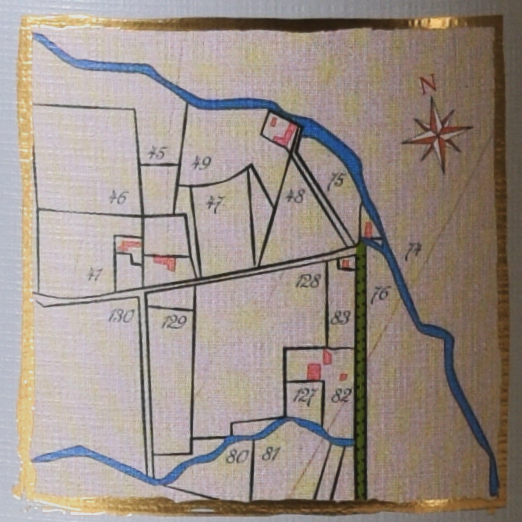
The Napoleonic Edict (Decree no. 62 of April 13, 1807) established the land registry (*catasto*) for the Kingdom of Italy, initiating a surveying process that—in the Triveneto region—was not completed until 1817.
Just a short distance from the magnificent city of Venice lie the “Marocchesa” estates—a farm managed by Michele Scaramuzza, with the support of his brothers, Simone and Alessio.
The Scaramuzza family has deep historical roots in this land; they could recount every minor evolution and detail of its past. Most significantly, it was here that Napoleon Bonaparte—through the Napoleonic Land Registry—officially recorded these very plots as vineyards.
Grandfather Rocco Scaramuzza upheld the agricultural tradition begun by his own parents and ancestors, passing on to Alessandro a passion for cultivation, an innovative spirit, and a lively, enterprising nature.
Alessandro is the father of Michele, Simone, and Alessio. He works alongside them daily on the “Marocchesa” project: giving a face and an identity to all the hard work, study, and investment poured into the vineyards.
Michele is exceptionally meticulous and attentive in his care for the vines. The vineyard follows the pruning techniques developed by Simonit and Sirch—a methodology that allows the vines to reach their full potential without stress, ensuring a longer lifespan—all under Michele’s careful supervision.
Simone and Alessio also manage other crops, including cereals for flour production, animal fodder, and grain; however, when the harvest arrives, they join Michele in the vineyards.
The Scaramuzza brothers work in synergy to select the finest grapes from their sustainable vineyards, offering the public premium, unconventional wines that stand out for their distinct character and uniqueness.
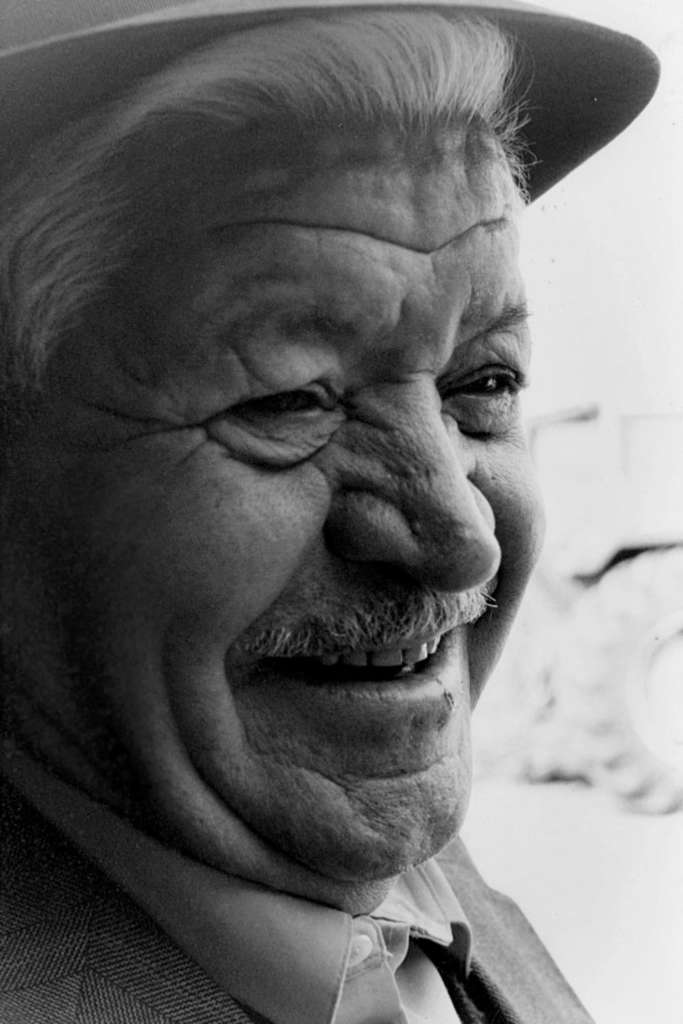
True character always reveals itself in times of great trial.
Napoleon Bonaparte
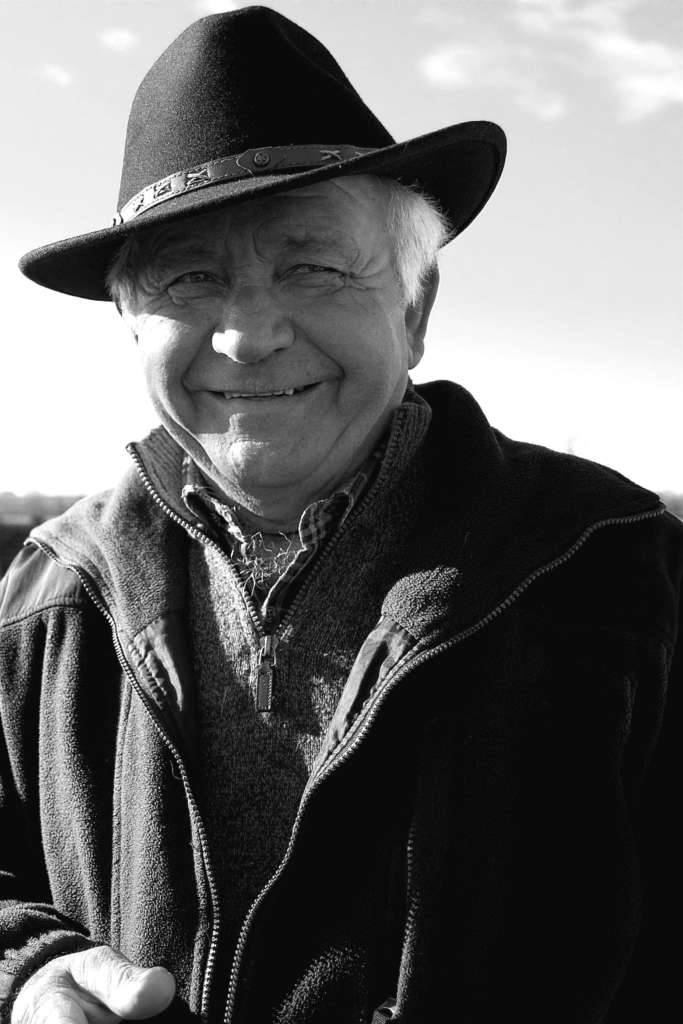
ROOTS IN TRADITION
Grandfather Rocco was already following in the footsteps of his predecessors and passed on this calling to his son and grandchildren: to cultivate the land with passion and great dedication.
Alessandro followed in his father’s footsteps and today his sons Michele, Simone and Alessio devote themselves entirely to the farm.
In the countryside, respect for the land is the key.
Here Michele, Simone and Alessio rediscover the natural method of crop protection: buffer strips.
Buffer strips consist of single-row or multi-row rows of trees and/or shrubs, characterised, for each row, by the presence of a constantly grassed buffer strip.
These linear formations must be situated between the area intended for agricultural use and the farm’s and/or inter-farm water network (watercourses, ditches or drainage channels).
Hedges, as defined for the purposes of this measure, are linear structures comprising trees and/or shrubs, including a permanently grassed buffer strip, which are connected to or integrated within the farm’s areas designated for agricultural use.
In our century, respect for and maintenance of buffer strips had almost been lost.
‘Marocchesa’ has never abandoned this method, and the result is a balanced, healthy and protected environment.
Buffer hedges therefore help to improve biodiversity in rural areas by strengthening ecological connections and increasing the number of breeding sites and refuge areas for wildlife.
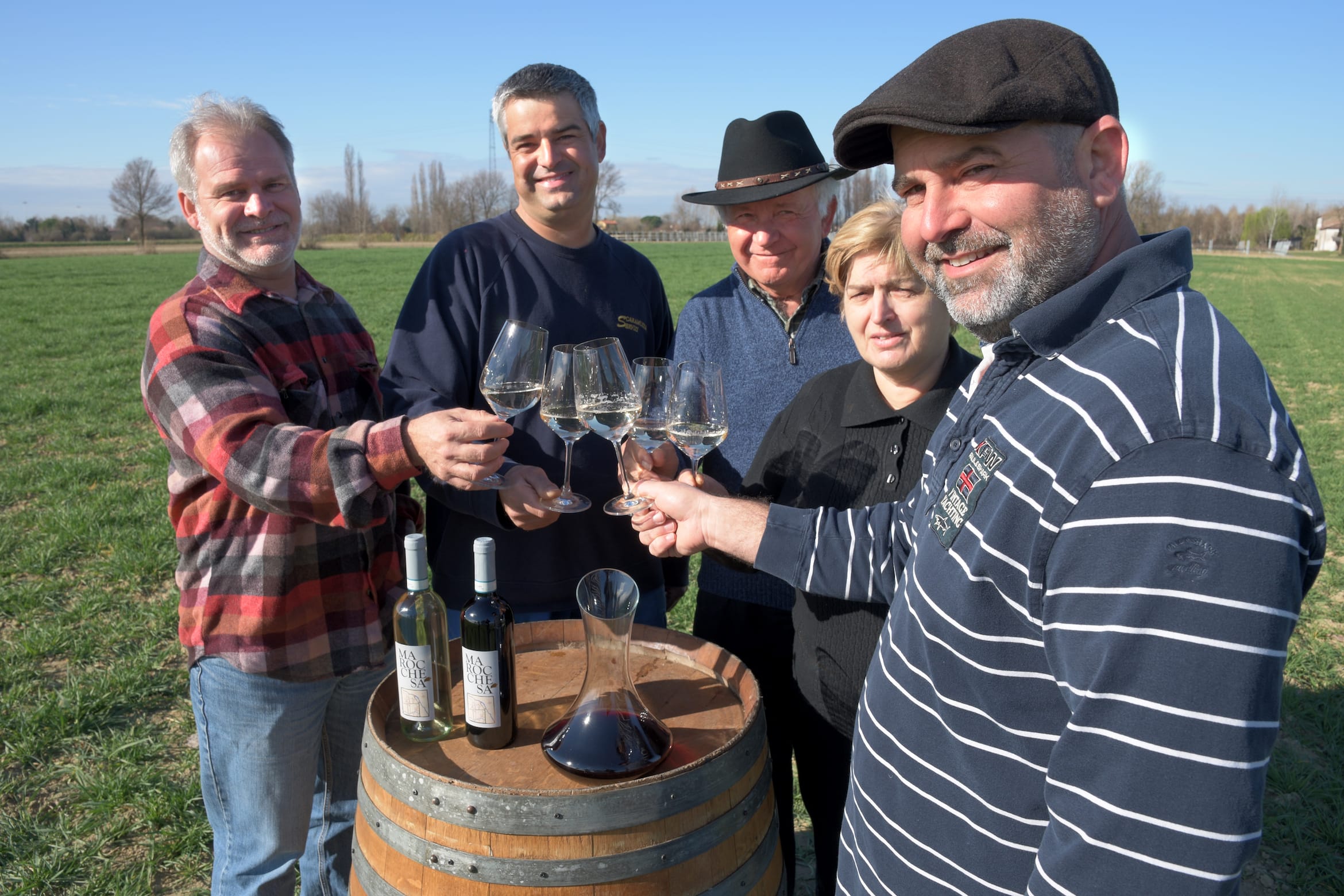
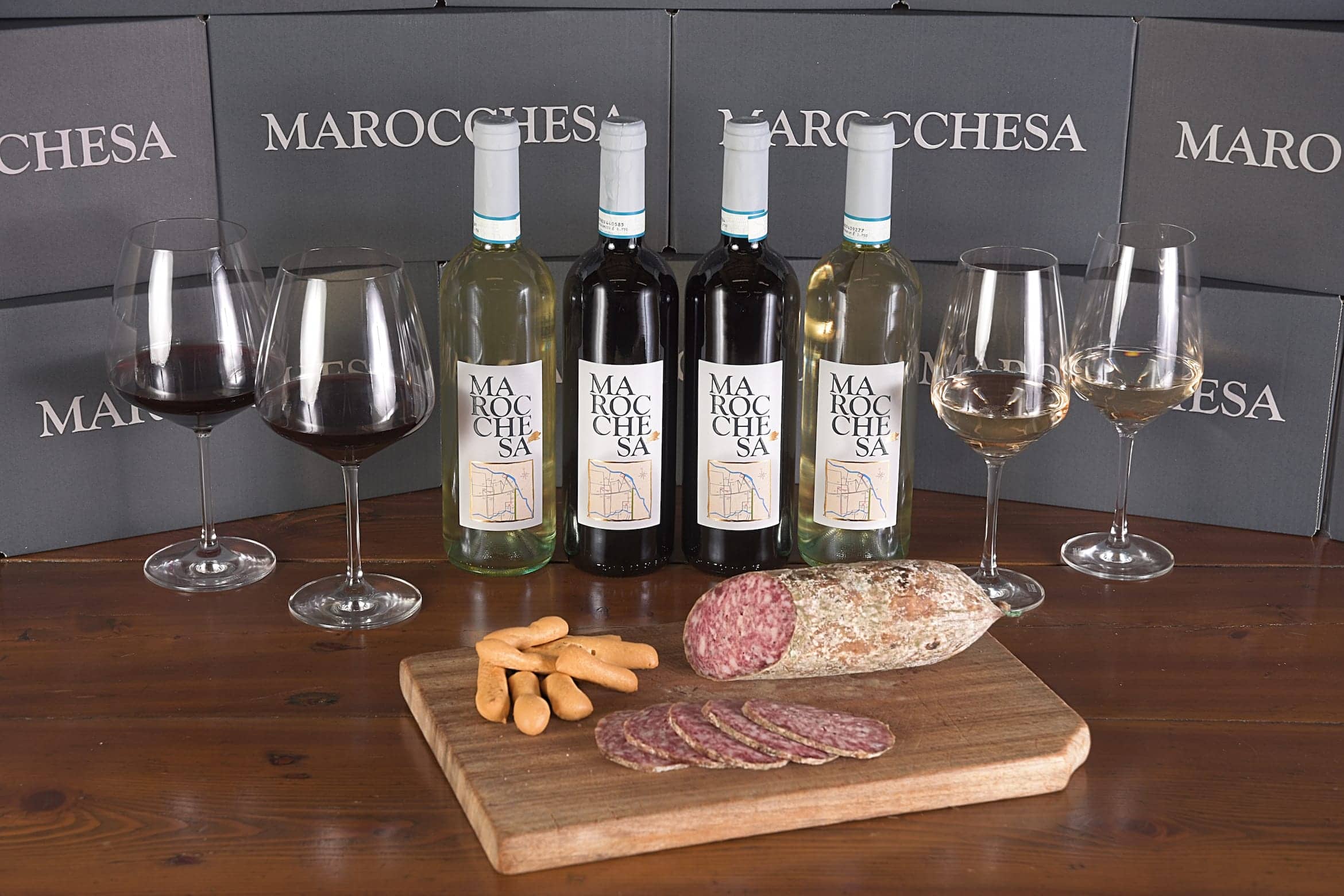
Michele attended the Simonit&Sirch Pruning School and obtained his diploma.
Pruning is a very important stage in the life of the vine: year after year, it shapes the vine’s development and vigour.
Here, Michele has chosen to use pruning to encourage the vine’s natural tendency to branch out: this is the method for ensuring the plant enjoys a healthy and long life.
Marocchesa has opted for sustainable energy; solar energy is converted into electricity without the use of fuel.
The 250 kW photovoltaic system converts all sunlight into energy without producing any ‘processing waste’.
This significantly reduces carbon dioxide emissions, marking an important step towards an increasingly eco-sustainable world that is ever more informed and concerned about environmental issues.